← Cycles
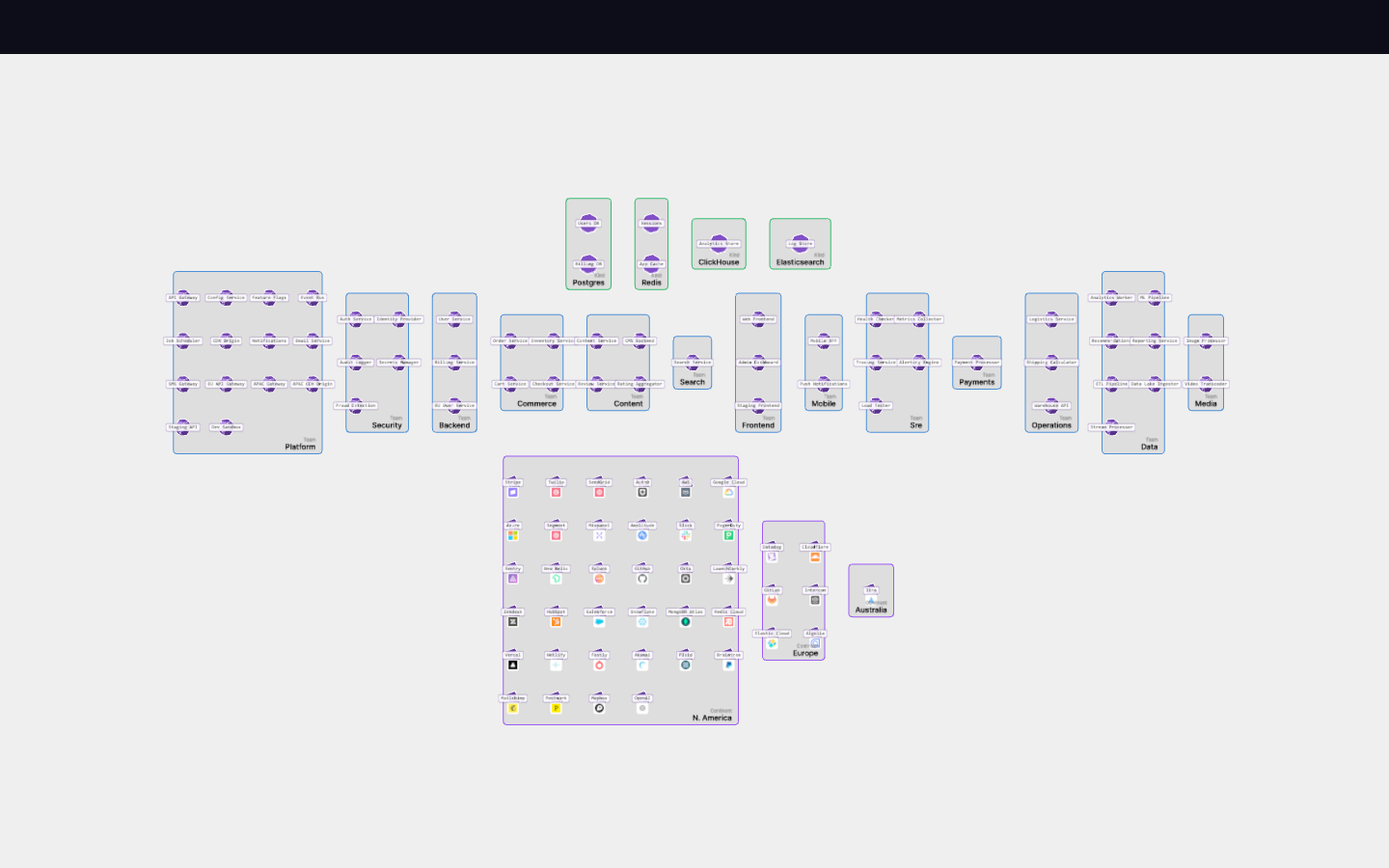
Groups view at defaults 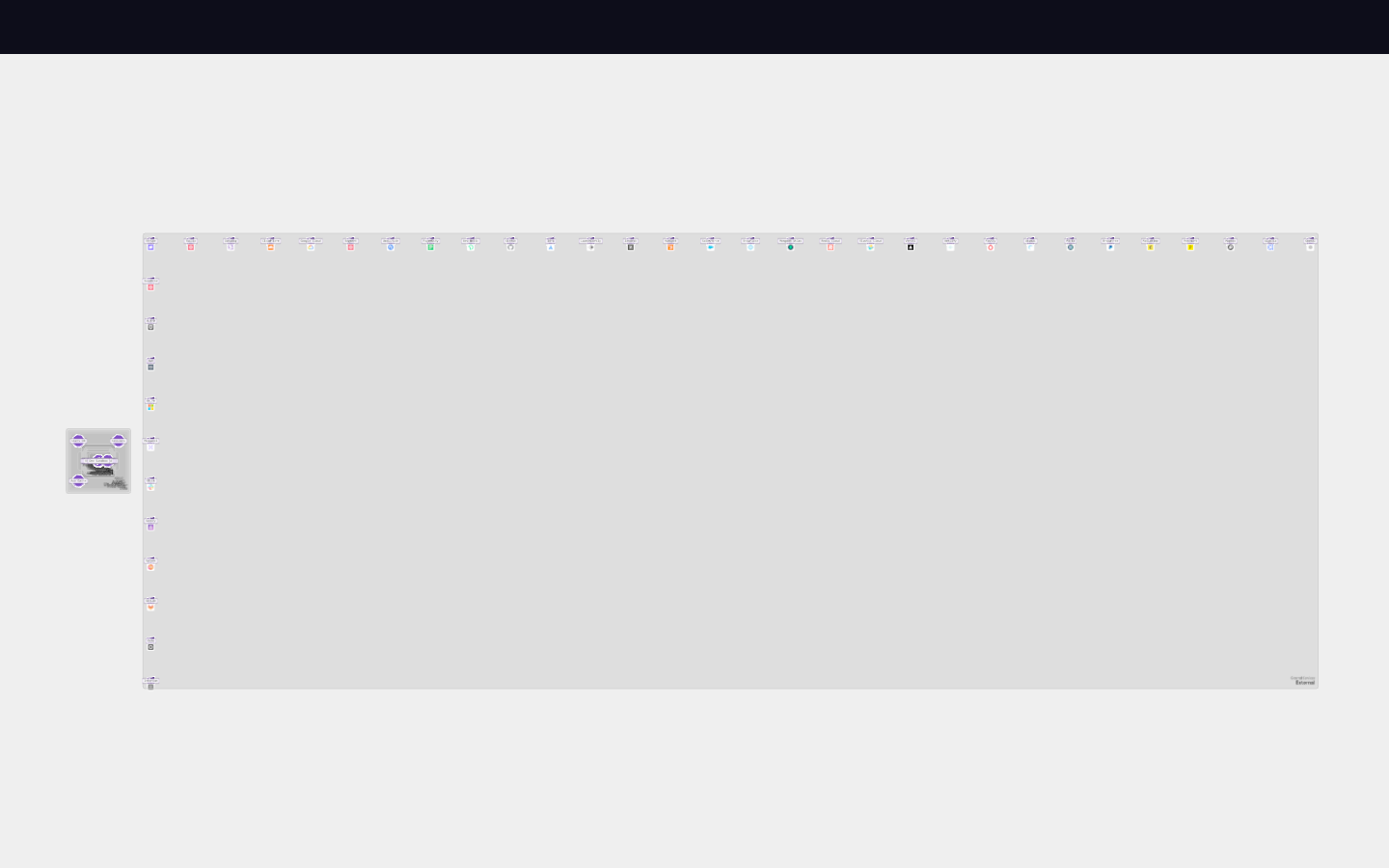
Topology, spiral packing (grows from corner) 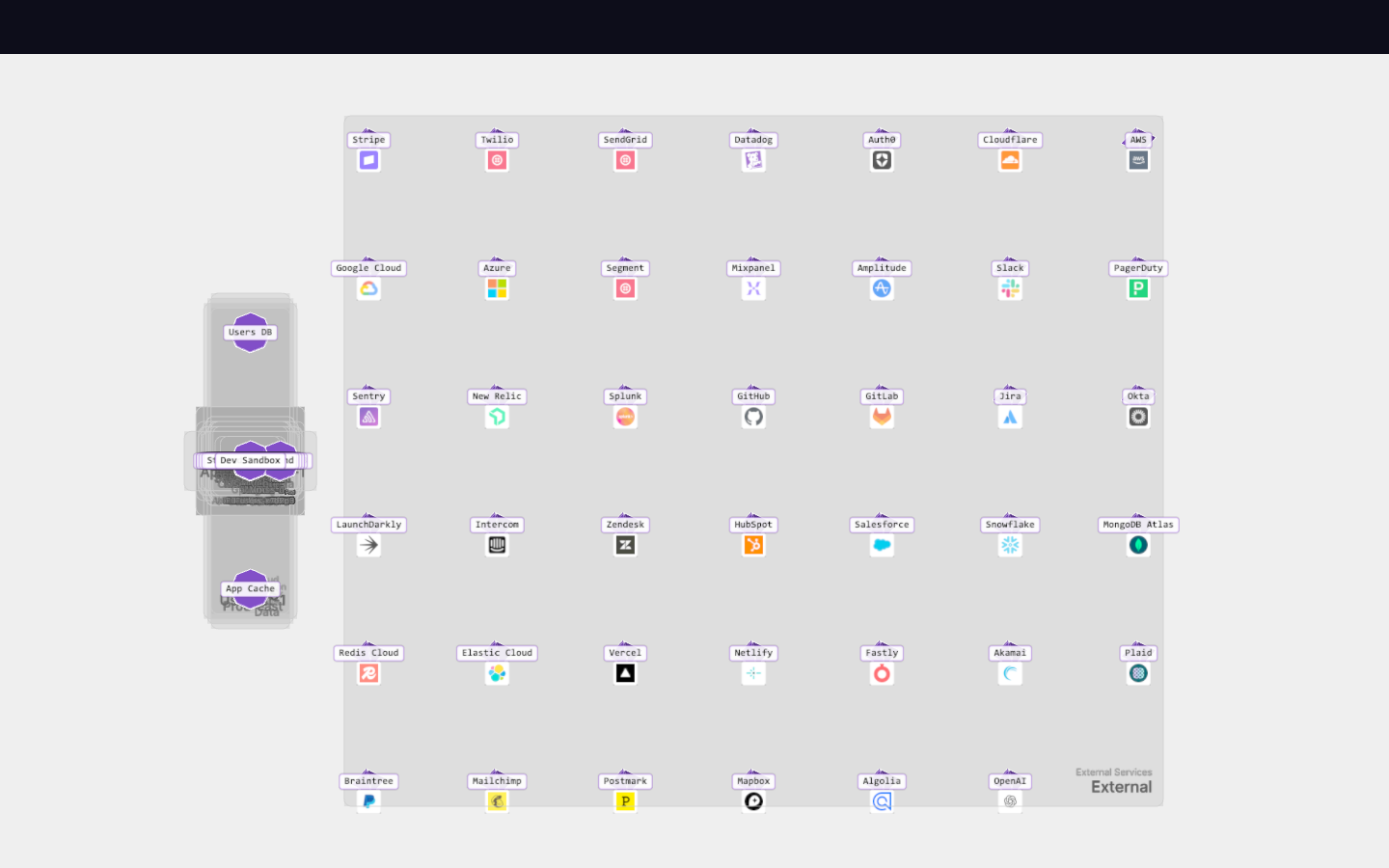
Topology, grid packing (row by row) 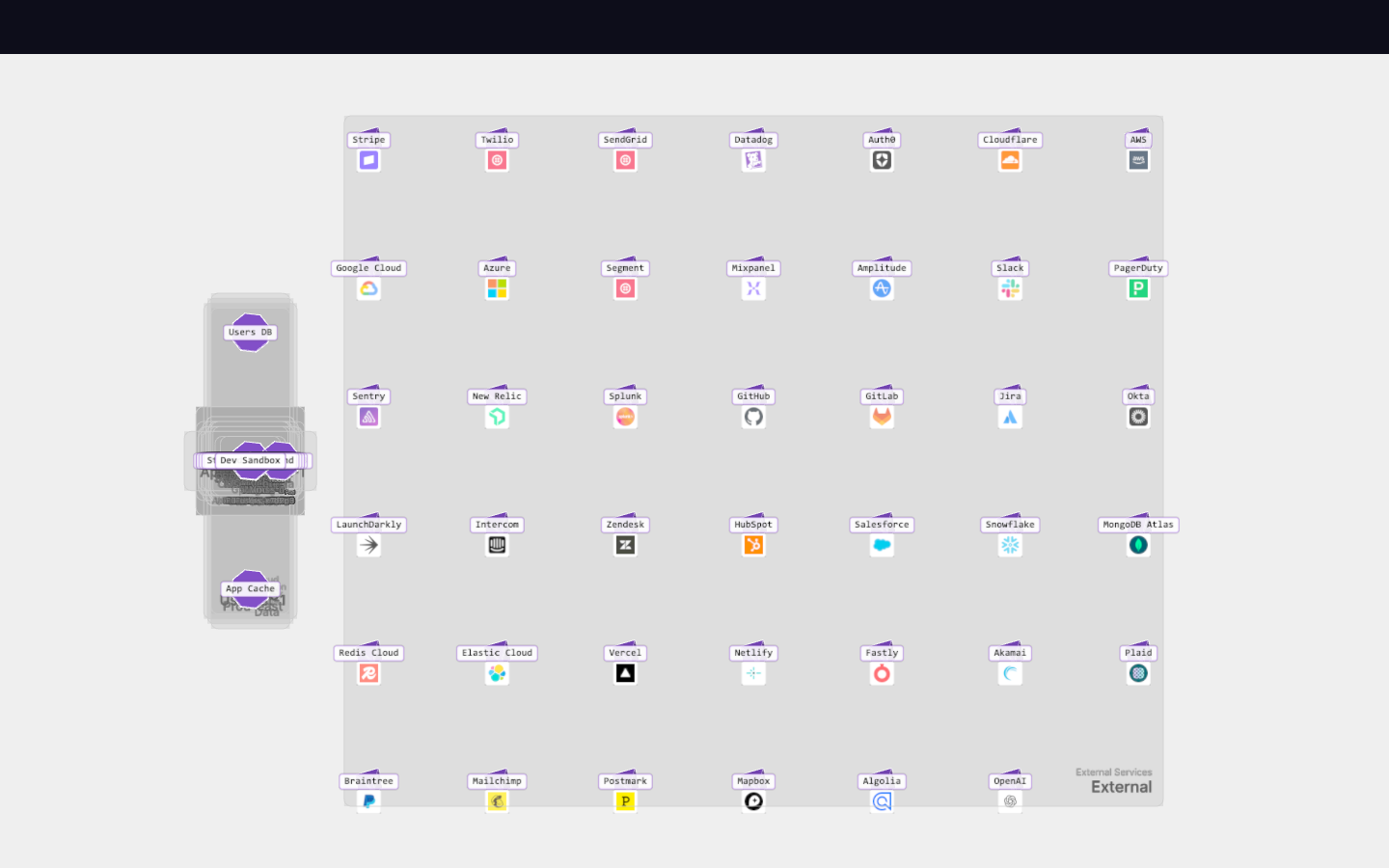
Grid packing from above — the comparison plate 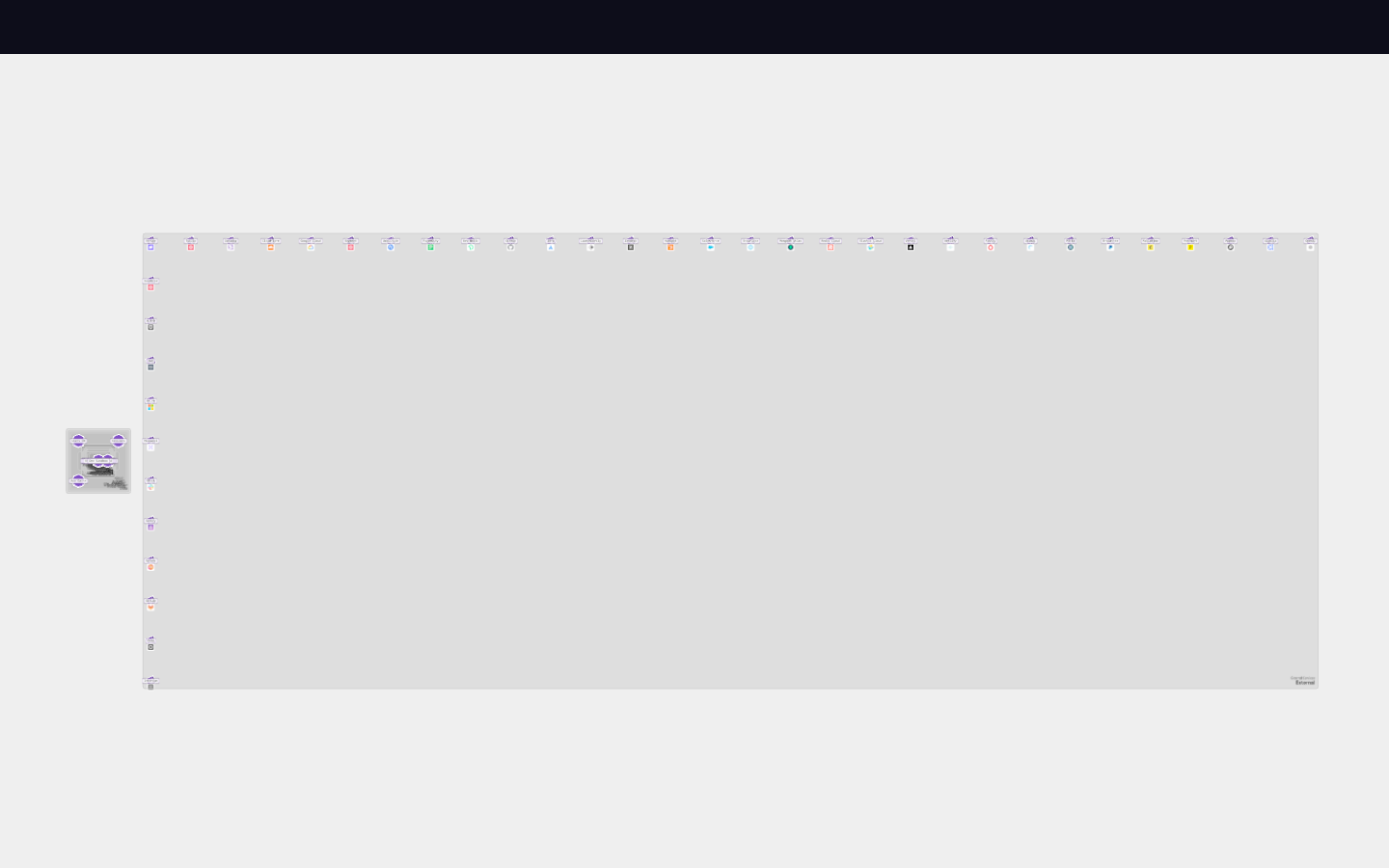
Spiral packing from above 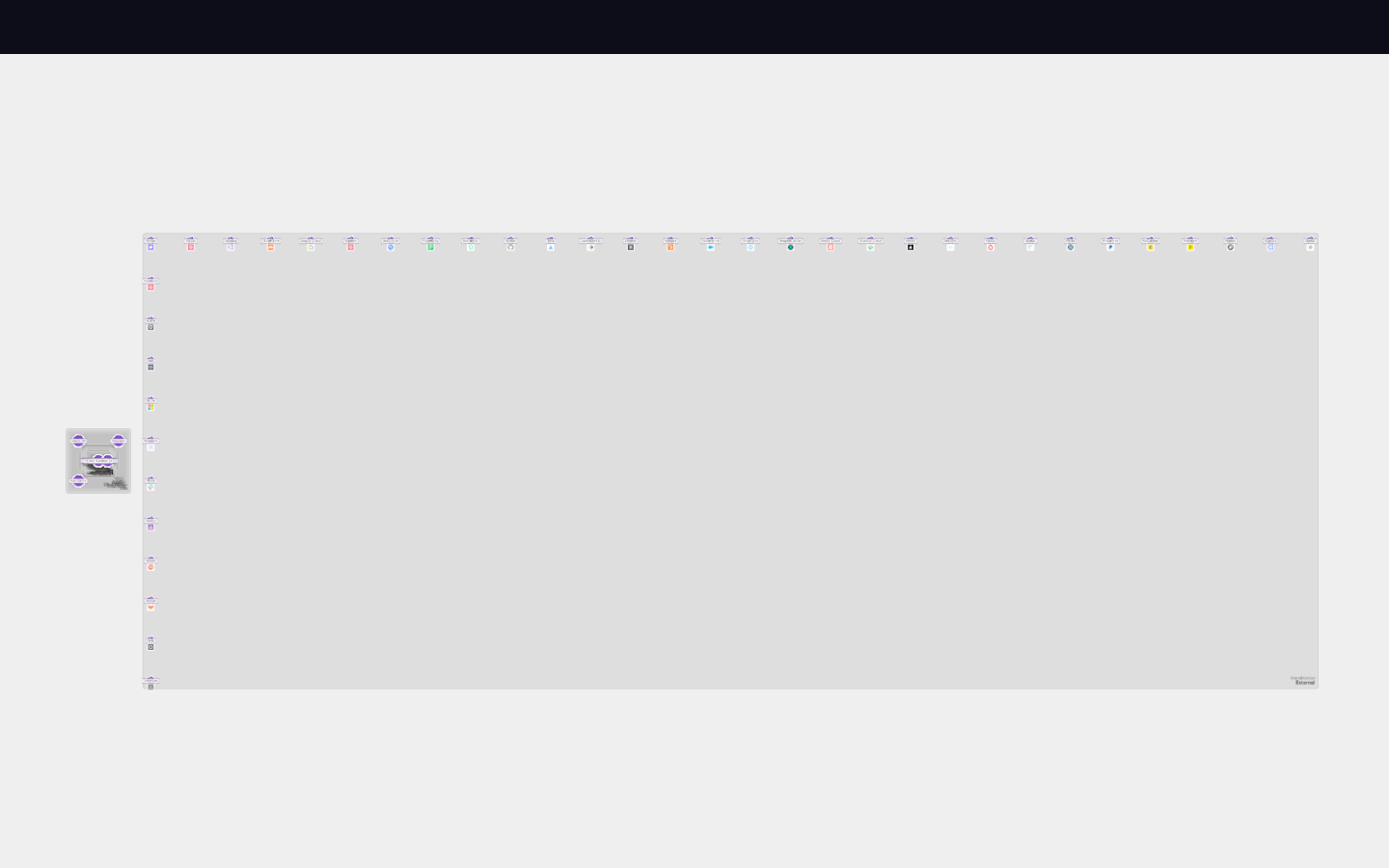
Spiral at rotation 180° 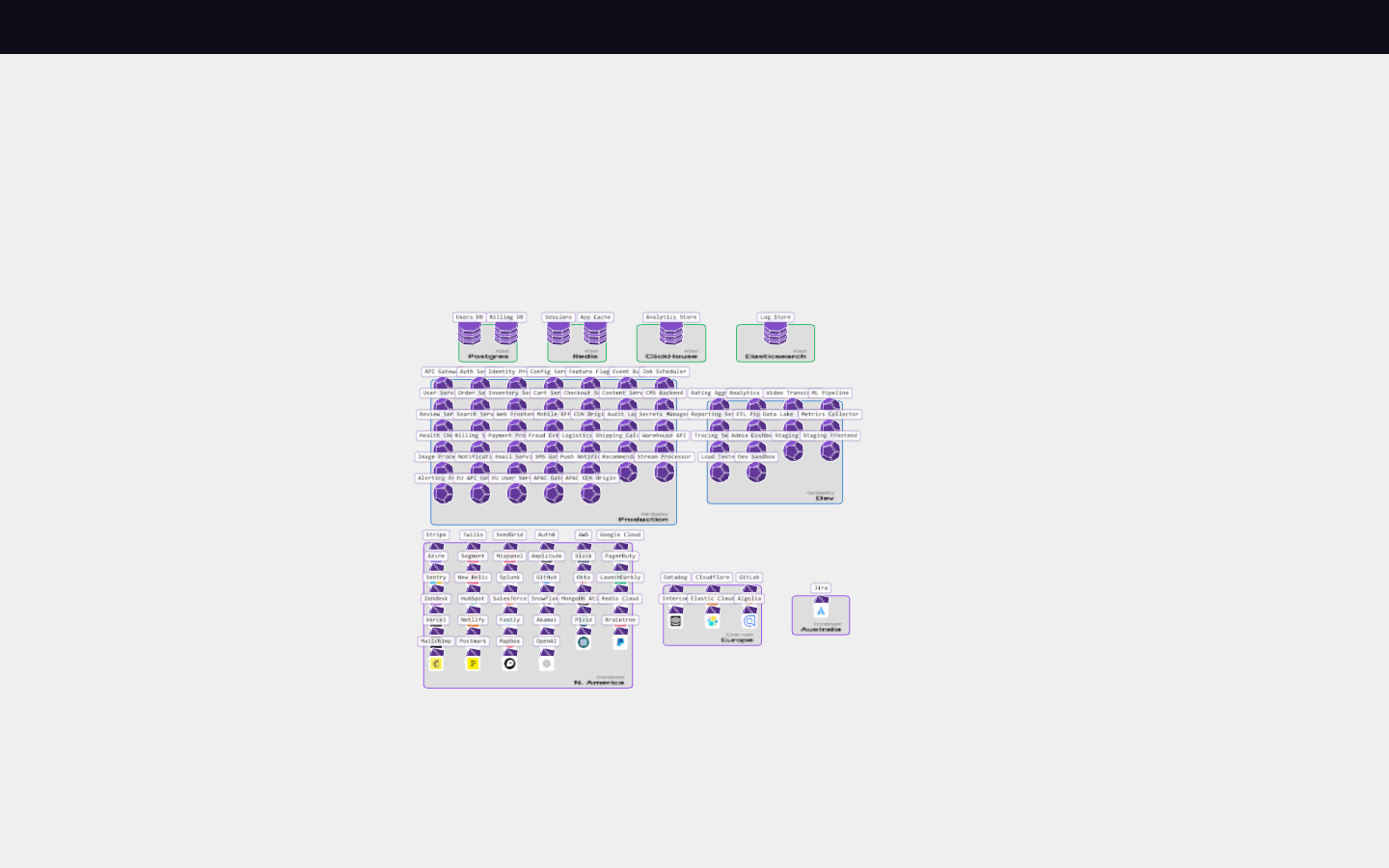
Groups view, apps by criticality 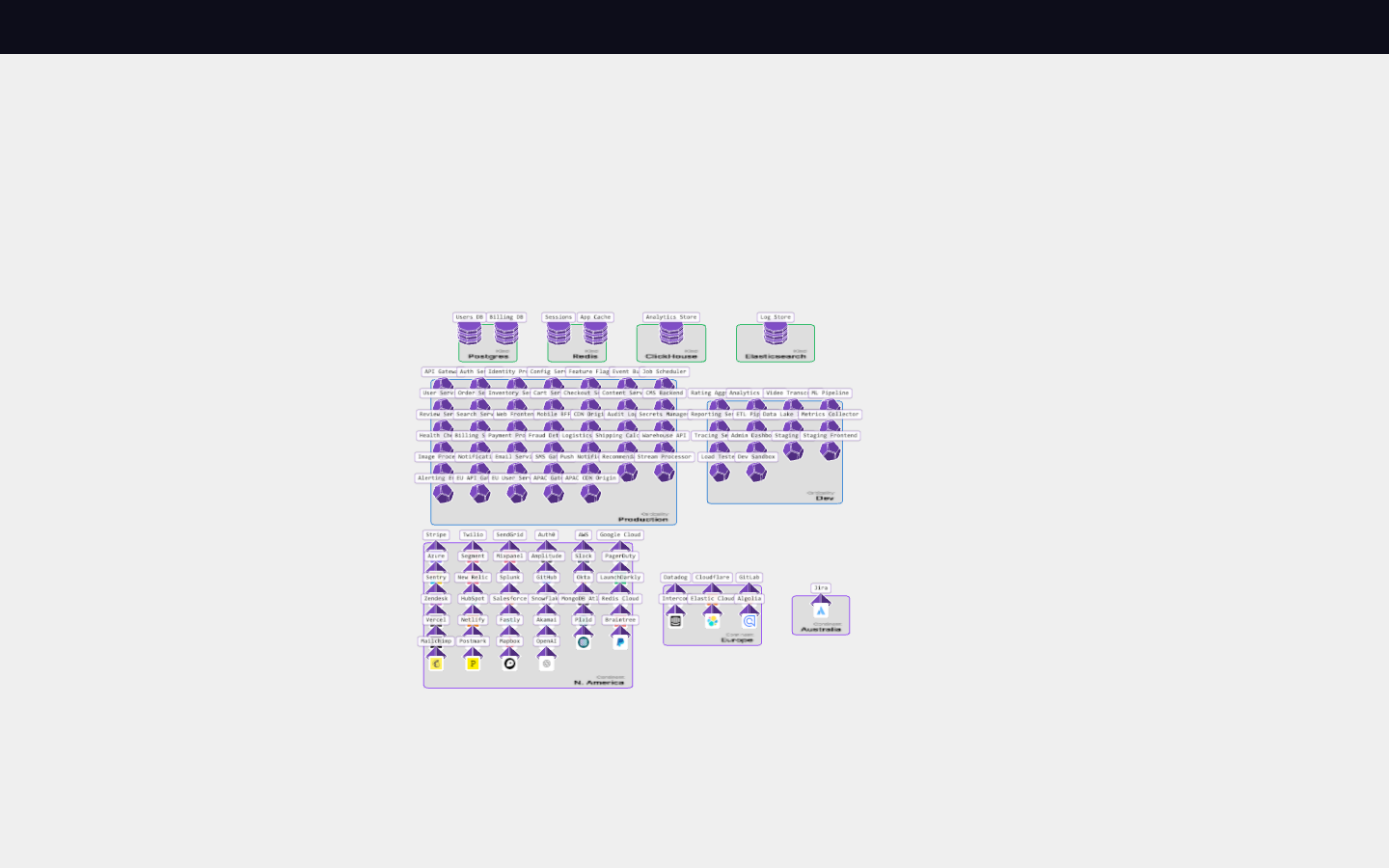
Curve height 8 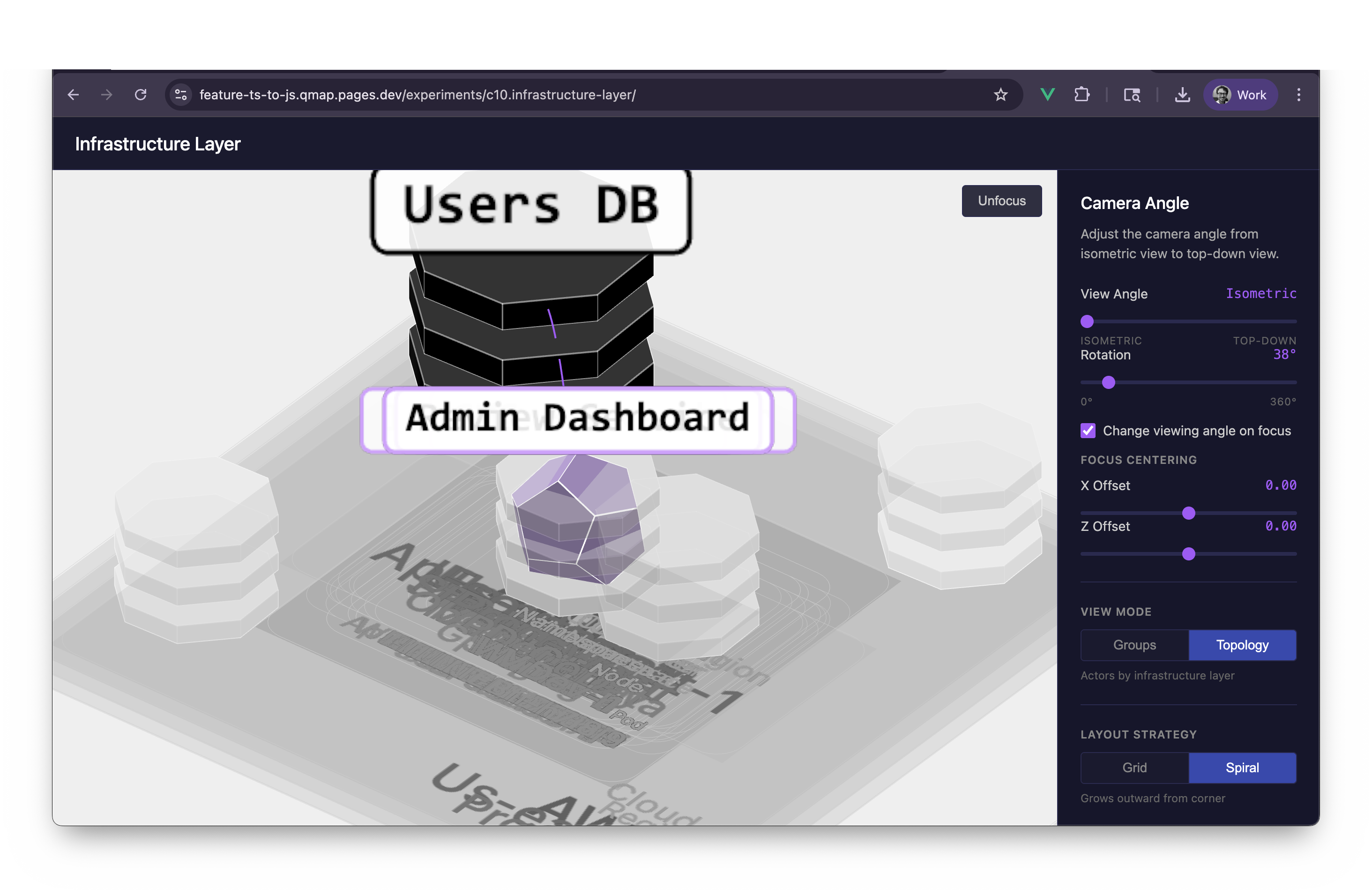
Qmap · c10
infrastructure-layer
archivedcreated 2026-03-23· last activity 2026-08-15
New in this cycle: Pluggable layout strategies — grid vs spiral blob packing inside rugs
Why This Cycle
Continuing the infrastructure layer work from c9, but with a focus on layout algorithms for compact, space-efficient placement. The goals are:
- Nested infrastructure topology - Cloud → Region → Cluster → Namespace → Node → Pod
- Better layout algorithms - Minimize empty space, favor circular/square shapes over elongated rectangles
- Pluggable layout strategies - Compare different algorithms at runtime
Goals (from c9)
Primary: Infrastructure Layer View
Show actors nested within their physical/logical network topology:
- Two view modes: Group View (tag-based) and Infrastructure Layer View (topology-based)
- Nested rugs visualize the topology hierarchy (6 levels deep)
- External zone for actors without topology (vendors, external services)
- View toggle with animated morph transitions between views
Secondary: Layout Exploration
- Efficient use of space (minimum empty space between elements within a rug)
- Compact groupings that favor square/circle shapes over elongated rectangles
- "Blob" groupings - actors within nested contexts (Cloud → Datacenter → Pod → App)
Infrastructure Hierarchy
Cloud → Region → Cluster → Namespace → Node → Pod
Topology data stored as nested object in actor tags.
Layout Strategy Ideas
- Spiral grouping - Grow in a general spiral shape rather than linear
- Circle packing - d3.pack() for nested hierarchies
- Phyllotaxis - Sunflower seed pattern (golden angle)
- Force-directed - Organic clustering with collision avoidance
Implementation Approach
infrastructureLayers.js- Constants, utilities, layer stylesInfrastructureRug.js- Extends GroupRug with depth-aware stylinginfrastructureLayout.js- Builds hierarchy tree, computes nested boundslayoutStrategies.js- Pluggable layout algorithmsViewModeToggle.vue- Simple toggle between views
Visual Design
- Outer layers (Cloud, Region) are very subtle (8-10% opacity)
- Inner layers (Node, Pod) are more visible (18-22% opacity)
- Blue color gradient from deep blue (outer) to light blue (inner)
- External zone in grey, positioned outside the main hierarchy
Status
- Copy infrastructure layer files from c9
- Add topology data to actors
- Implement nested rug layout
- Add view mode toggle
- Explore layout algorithms
Visual record
9 captures — heroes, page slices, and full-page renders. Click to view.
Artifacts
/experiments/c10.infrastructure-layer/ (local dev)